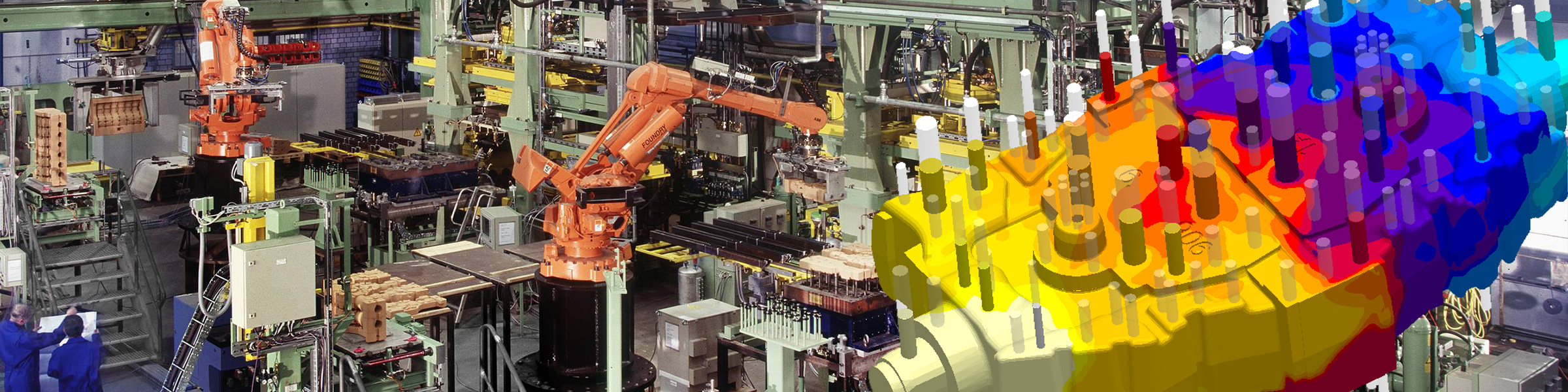
砂芯與模具:可預測的製芯製程
芯盒(Core Box)設計、生產效率、射砂/吹氣與固化的循環生產條件,以及隨之產生的砂芯性能,皆會影響砂芯的品質與經濟效益。
MAGMA C+M 能自動確定砂芯生產(包括製芯,以及冷、熱芯盒用有機與無機黏結劑的吹氣與固化)的穩健製程條件與最佳解決方案。這套整合了虛擬實驗設計(Virtual DOE)並自動評估結果的綜合工具,能協助模具製造商與砂芯製造商確定最佳設計與製程條件,並提供以下支援:
- 優化射嘴與排氣的製程分佈: 以取得穩健的設計並降低模具磨損。
- 驗證芯盒加熱裝置: 藉此確定所需的固化時間。
- 實踐導向的製程參數設定: 針對實際的循環生產,確定製芯與吹氣的穩健製程參數。
- 降低黏結劑含量與胺(Amine)的消耗量。
- 避免在車間現場進行大量試驗與芯盒改造。
Core Shooting, Flow Tracer
Hot distortion of bonded sand cores - Core deformation during filling
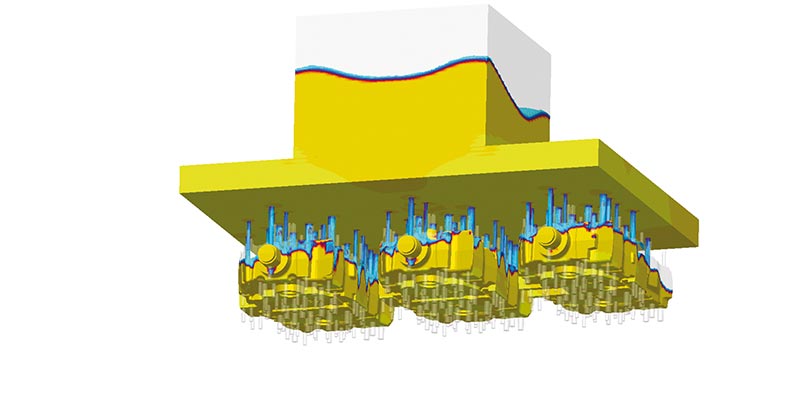
射砂模擬: 包括砂粒在砂斗(Hopper)以及一模多穴芯盒中運動過程的模擬
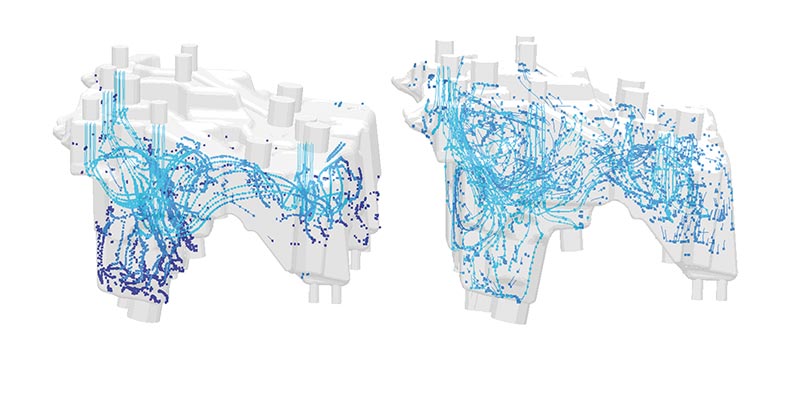
砂子與空氣的視覺化質點流(Particle Flow)
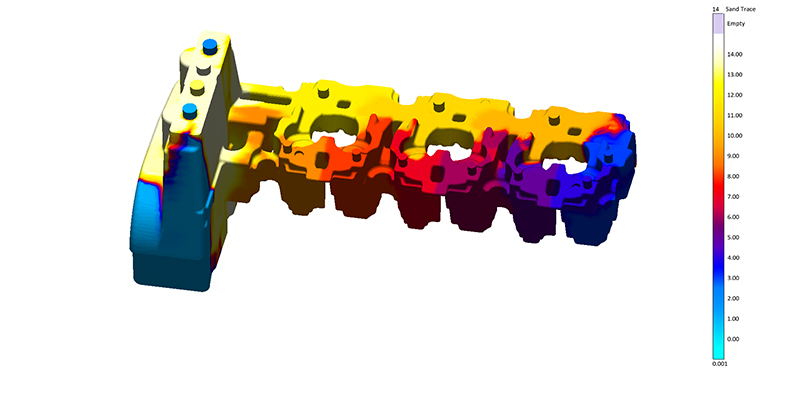
在製芯期間各射嘴的流量評估
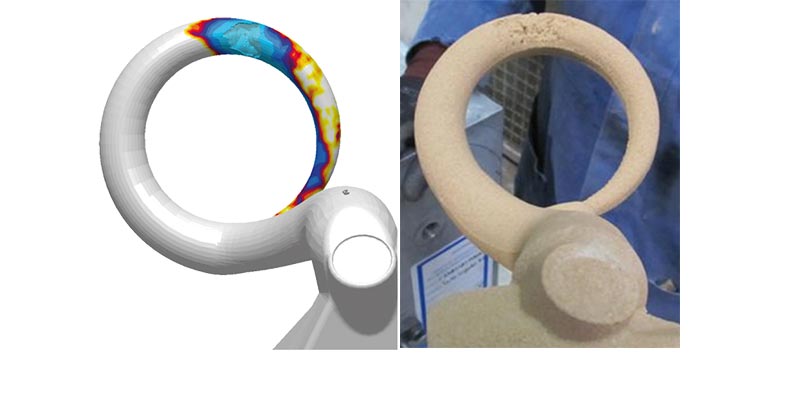
缺陷原因分析
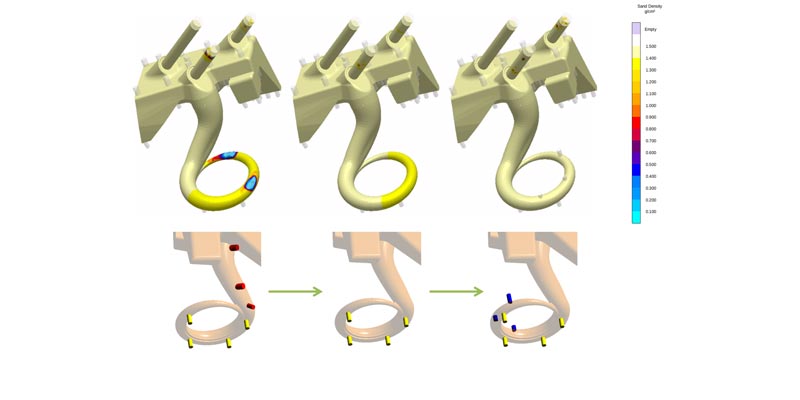
優化排氣: 以評估其對芯盒(砂芯)密度的影響
影響砂芯品質的主要原因分析
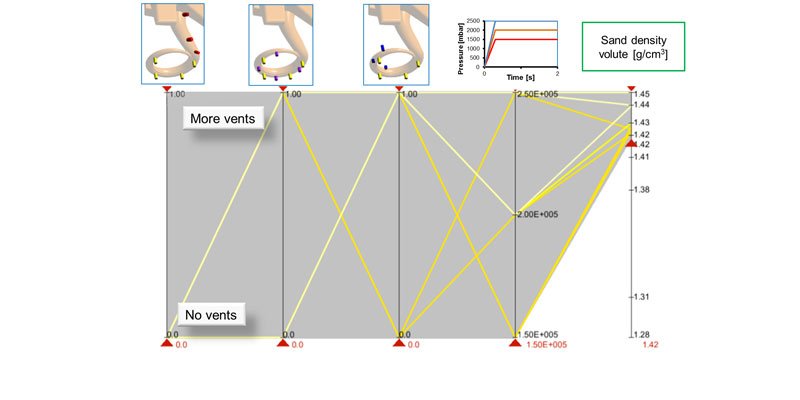
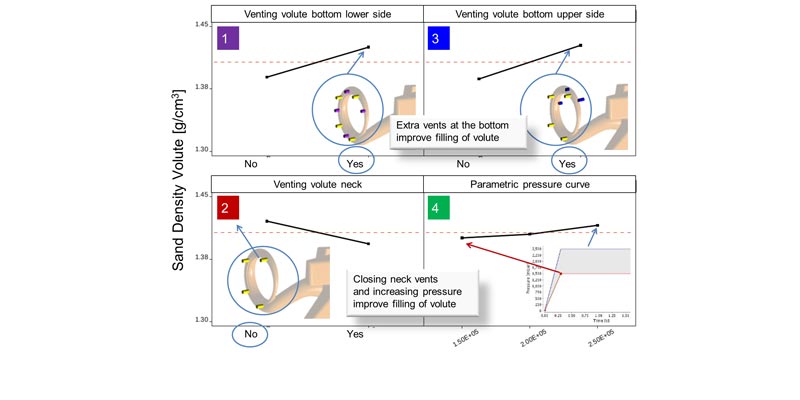
評估不同設計方案以及製程變數對砂芯密度的影響
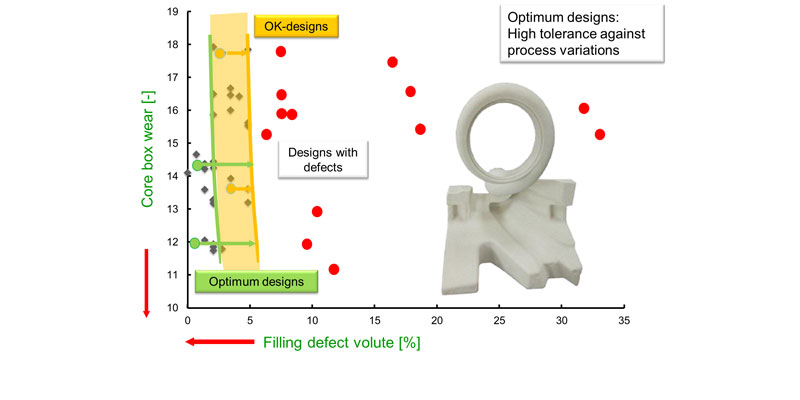
透過分析虛擬實驗設計的散佈圖(Scatter Plot),從而得出穩健的製程
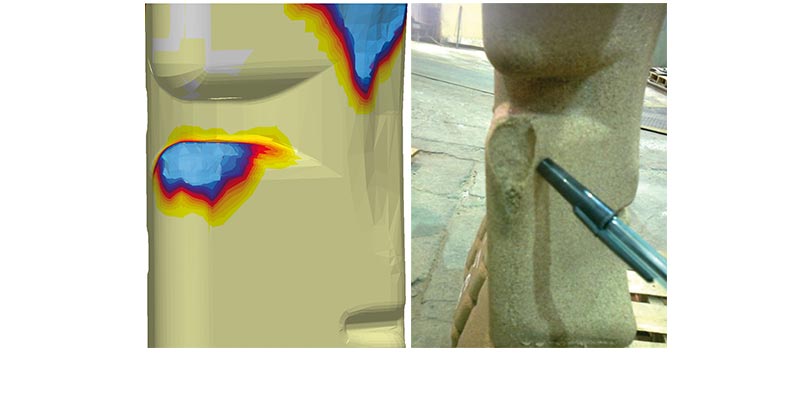
預測胺濃度與實際砂芯未固化的區域
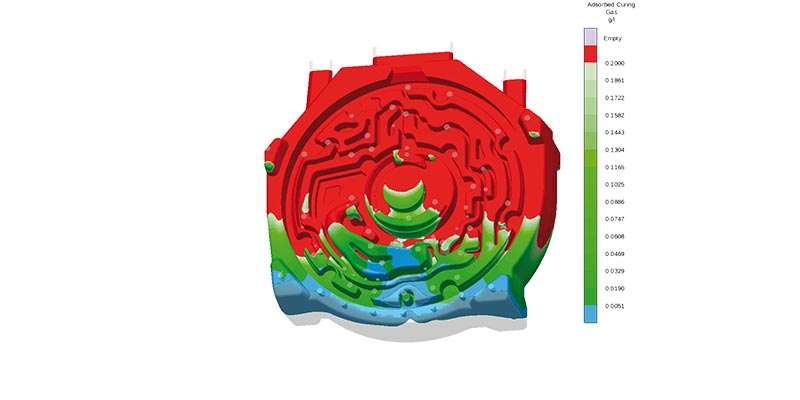
局部活性胺的濃度
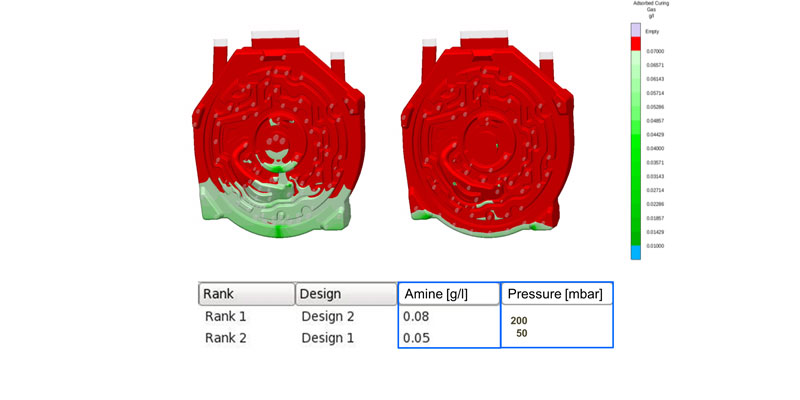
透過量化評估不同的製程條件,以改進冷芯盒的通氣固化
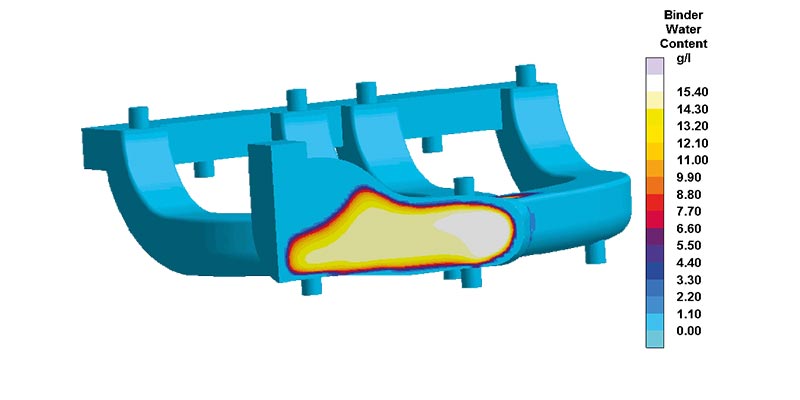
採用無機黏結劑砂芯的已固化表層(藍色)與含水量較高(黃色)的冷凝區
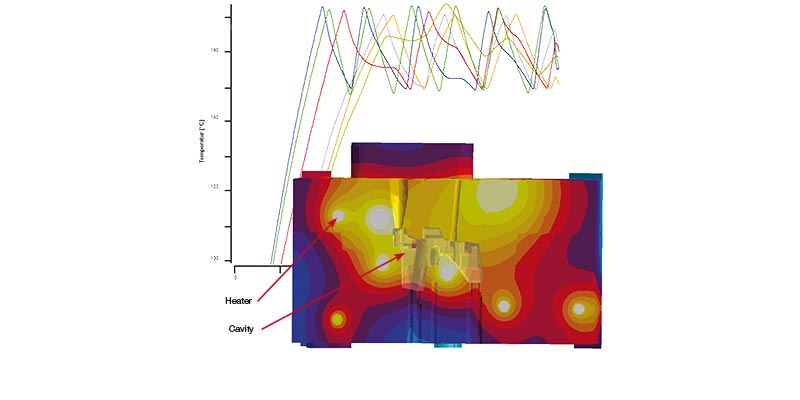
在多次循環生產中,芯盒與砂芯的溫度變化
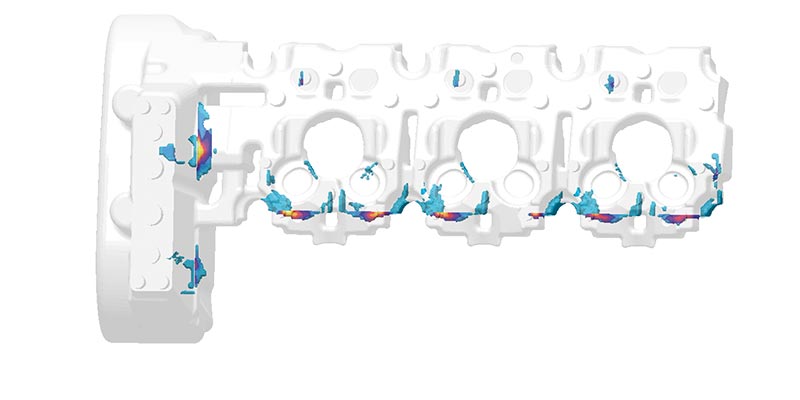
局部芯盒磨損
MAGMA C+M 的虛擬實驗設計與自主優化的獨特綜合方法,使得軟體能自動執行不同的芯盒設計以及參數組合方案。MAGMA C+M 有助於確定符合要求的製程條件。它可以考慮影響砂芯品質的所有因素,快速且全面地實現不同的目標。
這使得 MAGMA C+M 成為模具製造商與砂芯製造商佈置最佳製程設計、實現可靠生產程序、儘量減少品質風險、確定穩定製程方案,並實現原材料與生產製程無經濟風險的關鍵所在。
MAGMAinteract® 总位移
MAGMAinteract® Displacement Z
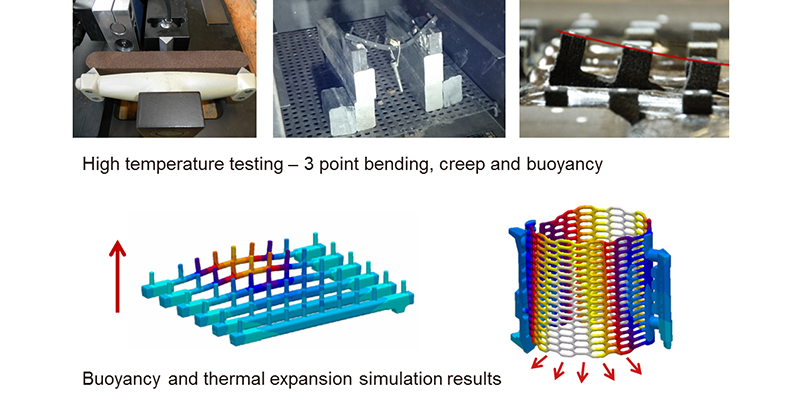
Detailed knowledge of bonded sand, from measurements to new mechanical model, validated on benchmark examples and used on complex cores
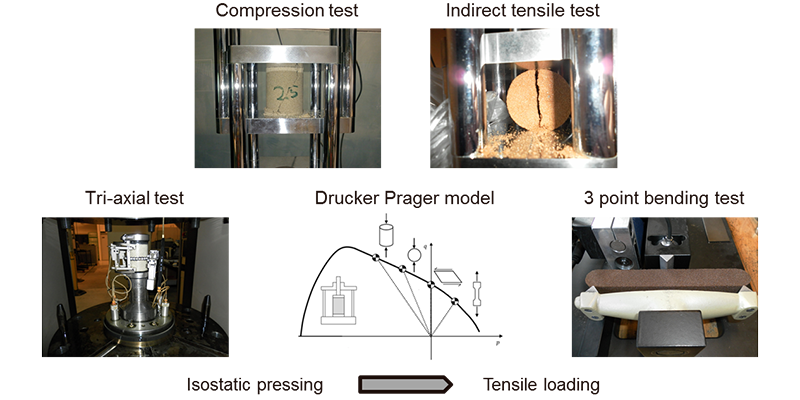
Multi-state material from a loose granular material to a bonded porous material, where strength is governed by binder bridges and contact between grains
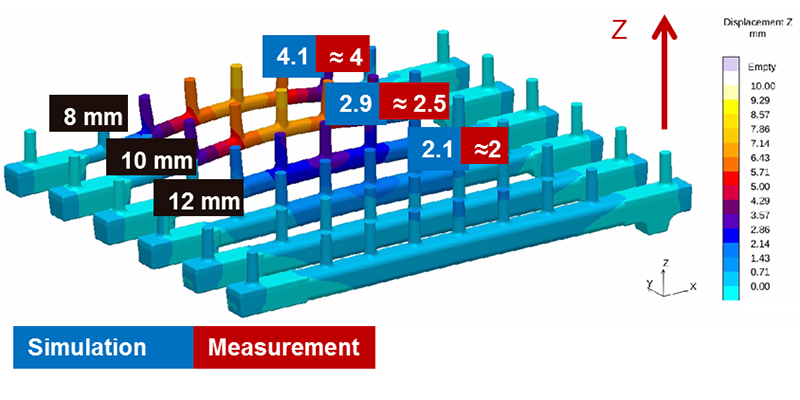
Bending of long cores due to buoyancy can now be simulated and analyzed
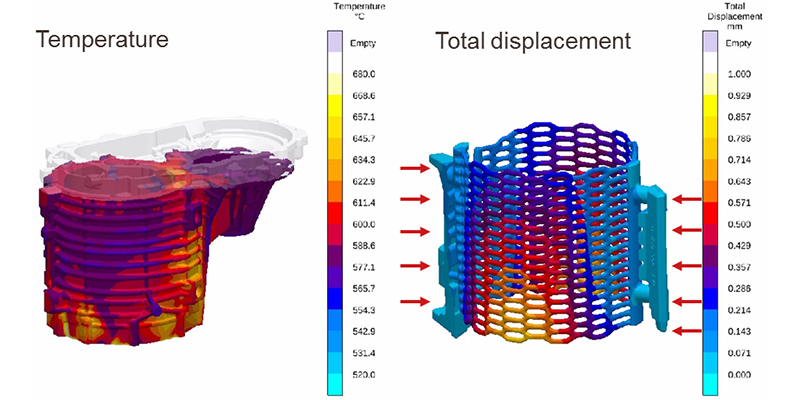
Core distortion modeling is fully coupled to the filling and solidication simulation allowing the user to optimize the entire process to minimize core distortion and related issue of dimensional tolerances in the casting.
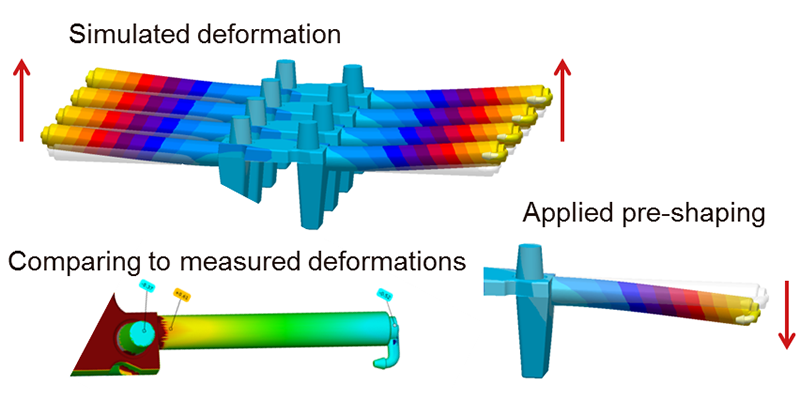
Simulation results are used to pre-shape the core to meet tolerance requirements of the final part.
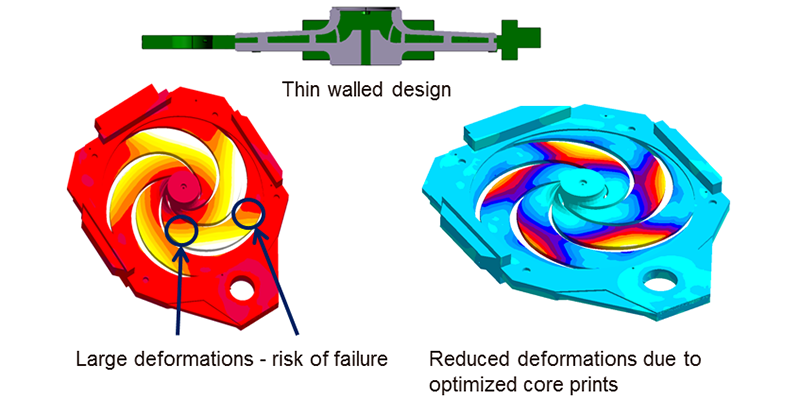
Location of core prints are optimized to avoid problems in thin walled designs
 LINE
 LinkedIn